
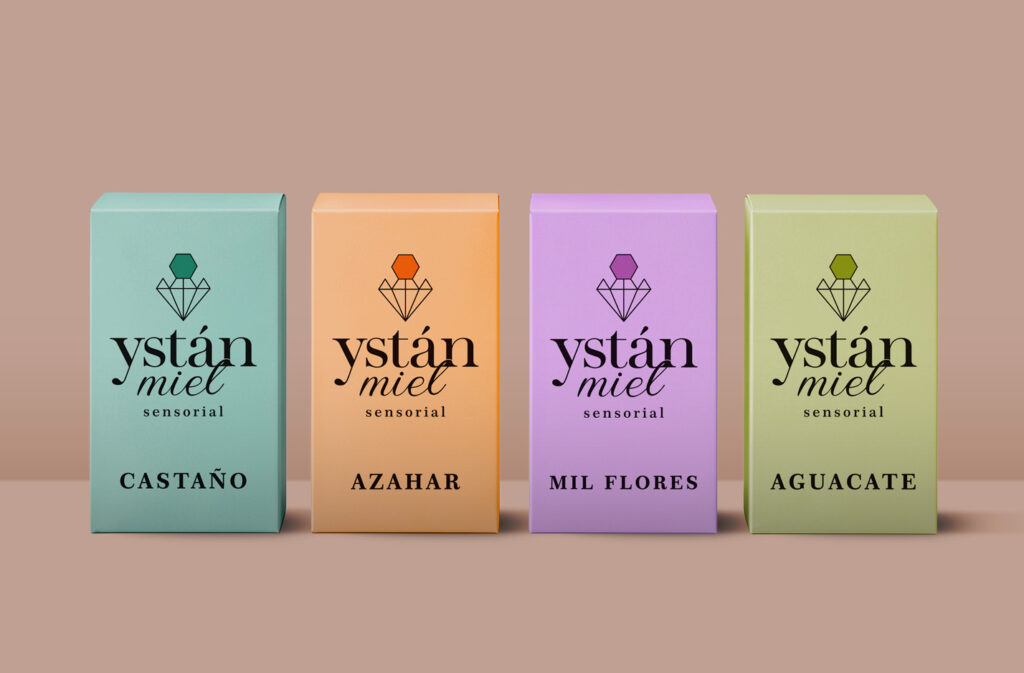
When consumers are faced with a shelf full of different honeys, it can be difficult to know which one to choose.
Colour, price and packaging design do not always reflect the quality of the product. The best way to make an informed purchase is to understand how honey is produced and what characteristics authentic honey should have.
These are the main aspects to consider before buying.
1. Origin matters
Good honey begins in the place where the bees work. The surrounding environment, the available flora and the beekeeper’s practices all have a direct influence on the final product.
Whenever possible, choose honey with a clearly identified origin and transparent traceability.
2. Read the label
The label should state the product’s origin and designation.
The more information it provides about the floral variety and provenance, the greater the transparency for the consumer.
3. Crystallisation is natural
One of the most widespread myths is that crystallised honey has gone bad. However, crystallisation is a completely natural process.
It depends on the balance between glucose and fructose, the floral variety and the temperature. Some honeys crystallise within a few weeks, while others remain liquid for months.
4. Colour does not determine quality
Light-coloured honeys often come from blossoms such as orange blossom or rosemary, while darker honeys may come from chestnut trees or woodland flora.
No colour is better than another; they simply reflect different botanical origins.
5. The aroma reveals the flower
Authentic honey has distinctive and complex aromas. It may evoke flowers, aromatic herbs, ripe fruit, wood or woodland.
Overly flat aromas often indicate less sensory richness.
6. Flavour
Good honey does not taste simply sweet. Each variety has its own distinctive character.
Some have citrus notes, while others offer balsamic nuances or a slightly bitter finish. This diversity is one of honey’s greatest qualities.
7. Texture
Honey can be runny, creamy or very thick. Its texture depends on its floral origin and the ambient temperature.
There is no single perfect texture that applies to every type of honey.
8. How to store honey
Honey should be stored in a cool, dry place away from direct light.
It is not advisable to keep it in the refrigerator, as low temperatures encourage crystallisation.
If it crystallises and you would like to restore a more fluid texture, simply warm it gently in a bain-marie, avoiding high temperatures.
9. Common mistakes when choosing honey
Choosing solely on price, assuming that all liquid honey is better, rejecting crystallised honey or focusing only on colour are common mistakes.
Quality depends on the product’s overall characteristics and the honesty of the producer.
10. How to choose a good honey
Recognising high-quality honey does not require advanced technical knowledge.
Simply pay attention to its origin, label, aroma and flavour, and accept that crystallisation is part of the product’s natural character.
Good honey represents the work of the bees, the landscape it comes from and the beekeeper’s commitment to producing an authentic food.
Frequently asked questions about honey quality
Is crystallised honey bad?
No. Crystallisation is a natural process that depends on the honey’s composition, floral origin and storage temperature.
Should honey be stored in the refrigerator?
No. It should be stored in a cool, dry place away from direct light.
Are dark honeys always better?
No. Light and dark honeys come from different floral sources and have different sensory profiles, but colour alone does not determine quality.
Can the flavour change from one harvest to another?
Yes. Each harvest depends on the flowering season, climate and surrounding environmental conditions, so the aroma, colour and flavour may vary from year to year.