
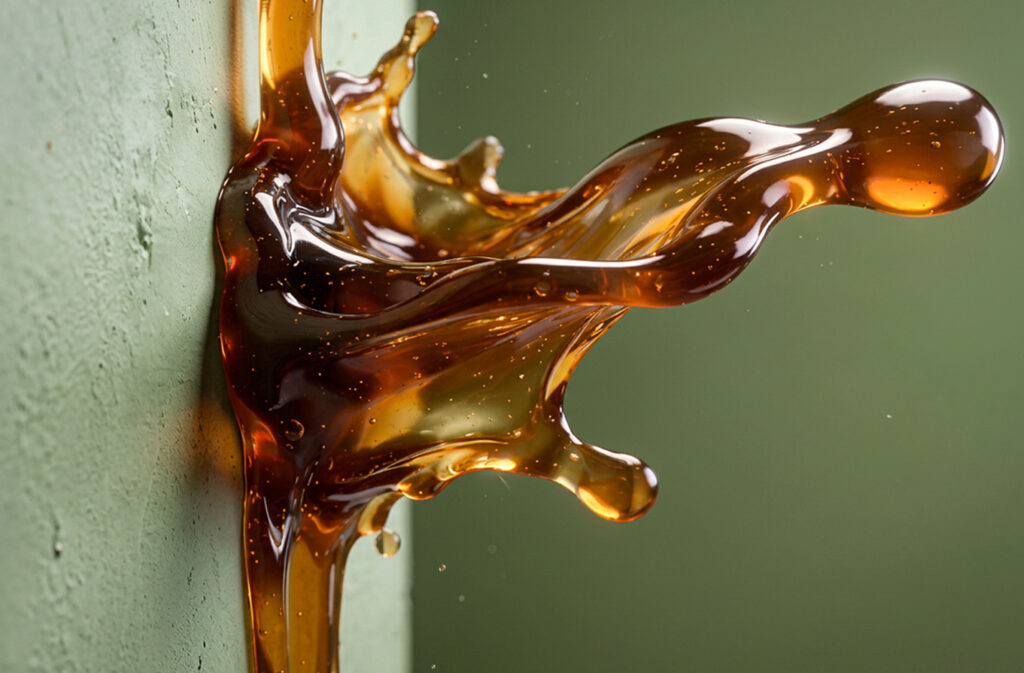
Honey is one of the oldest natural foods consumed by humans and continues to hold a prominent place in today’s diet.
Its appeal lies not only in its flavour, but also in the remarkable complexity of its composition and in the work of bees, which transform nectar from thousands of flowers into a stable and unique food.
Each jar of honey represents a particular landscape, flowering season and harvest, which means that no two honeys are exactly alike.
In recent years, there has been growing interest in understanding what honey truly provides, what its properties are and how to distinguish high-quality honey from products that have been excessively processed.
Understanding these aspects makes it easier to choose a product with greater gastronomic and nutritional value.
What is honey?
Legislation defines honey as a natural sweet substance produced by bees from flower nectar or plant secretions.
During its production, bees add enzymes, reduce its water content and store it in the honeycomb until it reaches the right level of maturity.
Honey is mainly composed of fructose and glucose, but it also contains enzymes, amino acids, minerals, phenolic compounds, organic acids and natural antioxidants.
The concentration of these components depends on the botanical origin of each honey.
Properties and benefits of honey
Honey is a natural source of energy thanks to its simple sugars.
It also contains antioxidants, such as flavonoids and phenolic compounds, which are especially abundant in certain darker honeys.
Traditionally, honey has been used to soothe the throat, and numerous studies have examined its antioxidant and antimicrobial properties.
Its remarkable aromatic diversity also makes it a highly valued culinary ingredient in both sweet and savoury dishes.
The sensory profile of each variety
The aroma, flavour, colour and texture of honey vary considerably depending on its floral origin.
Orange blossom honey offers floral and citrus notes, while wildflower honey reflects the botanical diversity of the landscape where the bees forage.
Chestnut honey has woody aromas and a slightly bitter taste, whereas avocado honey stands out for its vegetal and balsamic profile.
How to choose good honey
The first thing to check is its origin. A clear and transparent label inspires confidence and provides information about where the product comes from.
It is also advisable to choose minimally processed honey to preserve its natural characteristics and aromatic profile.
Crystallisation is not a defect
Crystallisation is a completely natural process that depends on the balance between glucose and fructose, as well as the storage temperature.
Many high-quality honeys crystallise over time, so this change in texture should not be interpreted as a loss of quality.
The aroma and flavour of authentic honey
The aroma should be complex and characteristic of the flowers from which the honey originates.
Authentic honey does not simply taste sweet. It develops floral, herbal, fruity, balsamic or woody notes that linger on the palate.
Texture also varies between varieties and does not determine the quality of the product on its own.
How to store honey
Honey should be stored in a cool, dry place away from direct light.
It is not advisable to keep it in the refrigerator, as low temperatures speed up crystallisation without offering any storage benefits.
If it crystallizes, it can regain a more fluid consistency by gently warming it in a bain-marie, avoiding high temperatures.
Much more than a natural sweetener
Honey is much more than a sweetener. It is the result of the work of thousands of bees and the botanical richness of each region.
Choosing high-quality honey means choosing a food with its own identity, traceability and distinctive character.
Considering its origin, accepting crystallisation as a natural process and enjoying the nuances offered by each flowering season are the best ways to recognise authentic honey.